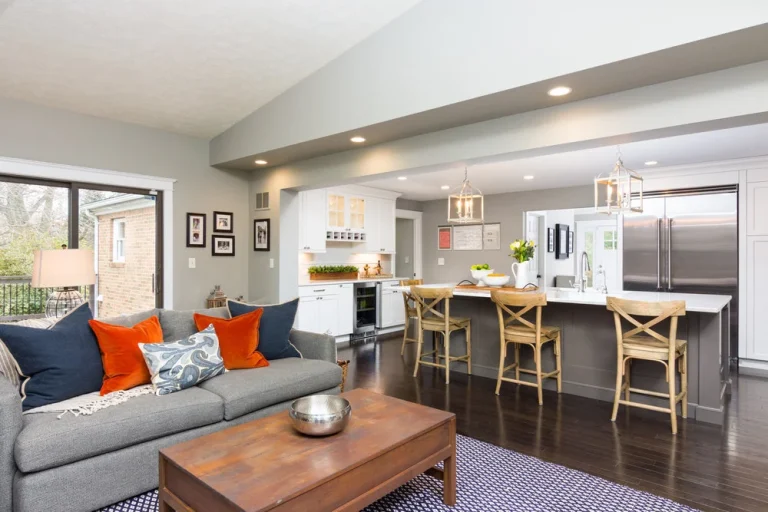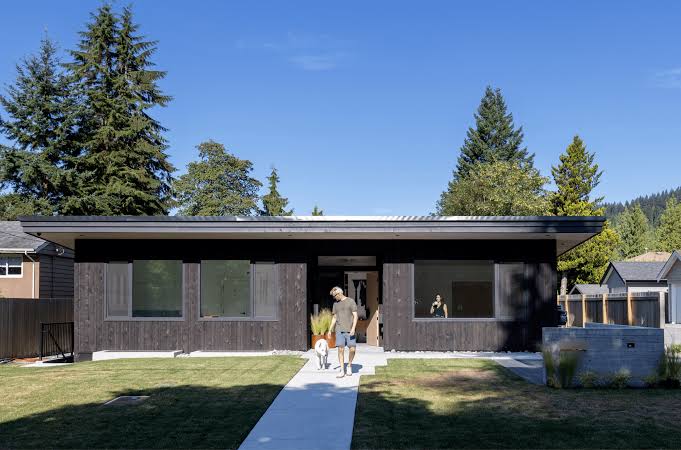

In today’s rapidly evolving built environment, historic preservation plays a critical role in protecting cultural identity, architectural heritage, and community character. Thoughtful preservation not only safeguards historic structures but also creates economic, environmental, and social value. At Versa Design, located at 950 W Maple, Troy, MI, preservation is approached with a balance of innovation and respect for history—ensuring that historic buildings remain functional, sustainable, and relevant for modern use.
This guide explores expert insights, practical strategies, and forward-thinking approaches to historic preservation in 2025—helping property owners, developers, and communities make informed, impactful decisions.
What Is Historic Preservation and Why It Matters
Historic preservation involves protecting, restoring, and adapting buildings, structures, and sites that hold cultural, architectural, or historical significance. Beyond aesthetics, preservation contributes to economic development, environmental sustainability, and community identity.
Key benefits include:
- Cultural continuity: Maintains a tangible connection to the past.
- Economic revitalization: Historic districts attract tourism and investment.
- Sustainability: Reusing existing buildings reduces construction waste and carbon footprint.
- Community value: Preserved landmarks strengthen local identity and pride.
When executed strategically, historic preservation transforms aging structures into long-term community assets.
The Role of Historic Preservation in Modern Architecture
Preservation is no longer just about restoring the past—it is about integrating history into contemporary life. Architects and designers now combine adaptive reuse, sustainable materials, and advanced engineering to preserve historic integrity while improving functionality.
Modern preservation focuses on:
- Structural reinforcement without altering historic character
- Energy-efficient upgrades compatible with historic materials
- Seamless integration of modern systems (HVAC, electrical, safety)
- Accessibility improvements aligned with preservation standards
This approach ensures historic buildings meet current needs without compromising authenticity.
Key Principles of Successful Historic Preservation
Effective historic preservation requires careful planning, technical expertise, and respect for original design.
1. Preserve Authenticity
Maintain original materials, architectural details, and design elements whenever possible. Authenticity is central to historic value.
2. Minimal Intervention
Interventions should be necessary and reversible when possible, preserving the building’s original character.
3. Documentation and Research
Understanding a structure’s history, materials, and construction techniques guides accurate restoration.
4. Sustainability Integration
Preserving existing structures is inherently sustainable and should include environmentally responsible upgrades.
Historic Preservation and Adaptive Reuse
Adaptive reuse is a powerful preservation strategy that repurposes historic buildings for modern functions—offices, residences, retail, or cultural spaces—while maintaining historic character.
Benefits of Adaptive Reuse
- Reduces demolition waste and environmental impact
- Revitalizes underused properties
- Preserves architectural heritage
- Supports urban regeneration
Examples include converting historic factories into mixed-use developments or restoring heritage homes into boutique offices.
Challenges in Historic Preservation (and How to Overcome Them)
Preservation projects often face unique challenges, but with proper planning, these can be addressed effectively.
Common Challenges
- Structural deterioration
- Outdated building systems
- Compliance with preservation regulations
- Balancing modernization with authenticity
- Budget constraints
Solutions
- Conduct thorough structural assessments early
- Collaborate with preservation specialists and architects
- Secure grants or tax incentives for preservation projects
- Develop phased restoration plans to manage costs
Proactive planning ensures preservation projects remain both feasible and successful.
Historic Preservation and Sustainability
Preserving historic structures is one of the most environmentally responsible approaches in architecture. Demolition and new construction generate significant carbon emissions, while preservation minimizes environmental impact.
Sustainable Preservation Practices
- Retrofitting buildings for energy efficiency
- Using compatible, eco-friendly materials
- Restoring rather than replacing original components
- Improving insulation without damaging historic fabric
By combining sustainability with historic preservation, communities protect both cultural heritage and the environment.
Financial Incentives for Historic Preservation
Many governments and organizations offer incentives to encourage preservation efforts. These incentives can significantly offset project costs.
Common Incentives
- Historic preservation tax credits
- Grants for restoration projects
- Local property tax abatements
- Federal or state funding programs
Understanding available incentives can make preservation projects financially viable and attractive for investors.
How Versa Design Approaches Historic Preservation
At Versa Design, historic preservation is guided by a philosophy of respect, innovation, and precision. Our team combines architectural expertise with modern technology to deliver preservation solutions that honor the past while meeting contemporary demands.
Our approach includes:
- Detailed historic research and documentation
- Structural and material assessments
- Preservation-sensitive design strategies
- Sustainable modernization solutions
- Compliance with preservation standards and regulations
Located at 950 W Maple, Troy, MI, Versa Design partners with property owners, developers, and communities to transform historic structures into functional, enduring spaces.
Best Practices for Property Owners and Developers
If you’re considering a historic preservation project, these best practices can help ensure success:
- Start With a Professional Assessment
Evaluate structural condition, materials, and historical significance before planning. - Understand Preservation Regulations
Compliance with local, state, and federal guidelines is essential. - Prioritize Authentic Materials
Whenever possible, repair rather than replace original components. - Plan for Modern Needs
Integrate safety, accessibility, and energy efficiency thoughtfully. - Leverage Incentives and Funding
Explore tax credits and grants to reduce costs. - Work With Preservation Experts
Experienced professionals ensure both compliance and quality outcomes.
Historic Preservation Trends for 2025
As preservation evolves, several trends are shaping the future of the field:
- Sustainable Retrofits: Increasing focus on energy efficiency within historic structures.
- Digital Documentation: 3D scanning and modeling for accurate restoration.
- Community-Led Preservation: Greater involvement of local stakeholders in preservation decisions.
- Mixed-Use Adaptive Reuse: Historic buildings repurposed for multi-functional spaces.
- Resilience Planning: Protecting historic structures from climate-related risks.
These trends demonstrate how historic preservation continues to adapt to modern challenges and opportunities.
The Long-Term Value of Historic Preservation
Historic preservation is not just about protecting the past—it is about creating long-term value. Preserved buildings contribute to cultural identity, economic vitality, and environmental sustainability.
Benefits include:
- Increased property value
- Stronger community identity
- Reduced environmental impact
- Enhanced architectural legacy
When executed thoughtfully, preservation becomes an investment in both heritage and future growth.
Take the Next Step With Versa Design
Historic preservation requires expertise, precision, and vision. Whether restoring a landmark building, adapting a historic structure for modern use, or planning a preservation-focused development, professional guidance ensures success.
Versa Design, located at 950 W Maple, Troy, MI, provides comprehensive historic preservation solutions that balance tradition and innovation.
👉 Learn more, explore projects, or schedule a consultation at
https://www.versa-design.com/