
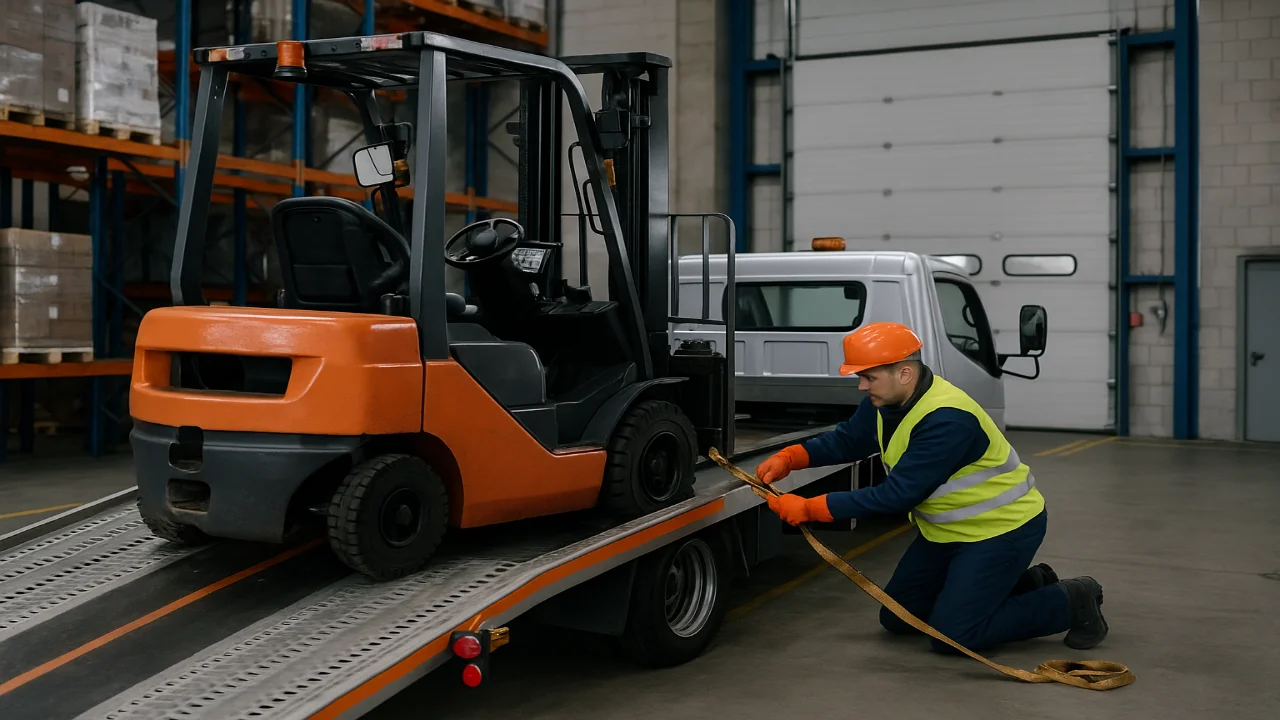
Forklift transport services play a critical role in modern logistics, construction, warehousing, and industrial operations. Whether a business is relocating equipment, delivering new machinery, or moving assets between job sites, the safe and efficient handling of forklifts requires specialized expertise. Companies like Heavy Lux understand that improper transport can lead to costly damage, delays, and safety risks. That is why professional forklift transport services are essential for ensuring heavy equipment arrives securely, on time, and in optimal condition.
In this guide, we explore how forklift transport works, why it matters, and what businesses should consider when choosing a reliable transport partner.
Understanding Forklift Transport Services in Modern Logistics
Forklift transport services refer to the specialized movement of forklifts from one location to another using heavy-duty trailers, flatbeds, or lowboy trucks. Unlike standard freight, forklifts are dense, heavy, and often have unique weight distributions that require precise handling.
In industries such as warehousing, manufacturing, shipping ports, and construction, forklifts are indispensable assets. Transporting them safely requires more than just loading and driving; it demands engineering awareness, compliance with safety standards, and proper securing techniques.
At Heavy Lux, forklift transport is treated as a precision operation, ensuring every unit is assessed, prepared, and secured before transit.
Why Forklift Transport Services Matter for Businesses
Transporting forklifts without professional support can lead to operational downtime, equipment damage, and workplace hazards. Professional forklift transport services mitigate these risks by combining expertise with specialized equipment.
Key Reasons Businesses Rely on Professional Transport
- Equipment protection: Forklifts contain sensitive hydraulic systems and structural components.
- Regulatory compliance: Heavy transport often requires permits and adherence to road safety laws.
- Operational efficiency: Reduces downtime during relocation or fleet expansion.
- Risk reduction: Minimizes accidents during loading, unloading, and transit.
- Cost savings: Prevents expensive repairs or replacements due to improper handling.
For industries that rely heavily on uptime, investing in reliable transport is not optional; it is strategic.
How Forklift Transport Services Work Step-by-Step
Understanding the transport process helps businesses appreciate the value of professional logistics providers. Forklift transport is a structured operation with multiple safety checkpoints.
1. Equipment Assessment
Before transport begins, specialists evaluate the forklift’s:
- Weight and load capacity
- Dimensions and mast height
- Fuel type or battery system
- Structural condition
This step determines the right transport vehicle and securing method.
2. Route Planning
A safe route is mapped based on:
- Road weight limits
- Bridge clearances
- Traffic conditions
- Distance efficiency
Route planning ensures compliance and reduces risk during transit.
3. Loading Process
Forklifts are loaded using ramps, winches, or auxiliary equipment. This stage requires precision handling to prevent tipping or imbalance.
Key practices include:
- Centering weight distribution
- Securing forks and mast
- Engaging braking systems
- Using guide personnel for alignment
4. Securing the Load
Heavy-duty chains, binders, and straps are used to immobilize the forklift. Proper securing prevents movement during transport and protects against sudden stops or turns.
5. Transport and Monitoring
During transit, drivers maintain controlled speeds and monitor road conditions. Advanced logistics providers may also use tracking systems for real-time updates.
6. Unloading and Inspection
Upon arrival, forklifts are carefully unloaded and inspected for any signs of damage or shifting.
Types of Forklifts Commonly Transported
Forklift transport services cover a wide range of industrial equipment types, each requiring specific handling techniques.
Counterbalance Forklifts
These are the most common models used in warehouses and require balanced loading due to their rear counterweight design.
Reach Trucks
Designed for narrow aisles, these forklifts are taller and require careful mast securing during transport.
Rough Terrain Forklifts
Used in construction and outdoor environments, these machines are heavier and demand reinforced transport equipment.
Electric Forklifts
Battery-powered forklifts require additional safety checks to ensure electrical systems are protected during movement.
Challenges in Forklift Transport Services
Transporting forklifts is not without challenges. Understanding these helps businesses appreciate the expertise required.
Weight Distribution Issues
Improper balance can cause trailer instability, especially during long-distance hauling.
Tight Urban Access
Deliveries in urban environments often involve narrow streets, low bridges, and traffic congestion.
Regulatory Requirements
Different regions enforce strict rules for oversized or heavy-load transport, including permits and escorts.
Weather Conditions
Rain, wind, and extreme heat can affect both loading safety and road performance.
Professional providers like Heavy Lux plan for these challenges in advance to ensure smooth execution.
Safety Standards in Forklift Transport Services
Safety is the foundation of any heavy equipment logistics operation. The following standards are commonly applied:
- OSHA-aligned loading procedures
- Certified tie-down equipment usage
- Pre-transport inspection checklists
- Driver training and certification
- Emergency response readiness
These measures ensure forklifts are transported without compromising safety or compliance.
Choosing the Right Forklift Transport Partner
Selecting the right provider can significantly impact efficiency, cost, and safety outcomes.
What to Look For
- Proven experience in heavy equipment logistics
- Proper licensing and insurance coverage
- Modern fleet with specialized trailers
- Transparent communication and tracking systems
- Strong safety record and compliance history
A reliable partner should demonstrate both technical capability and operational consistency.
Benefits of Working with Heavy Lux
Heavy Lux provides specialized forklift transport services designed to support businesses across industries. The focus is on precision handling, safety compliance, and efficient logistics coordination.
Advantages include:
- Tailored transport solutions for different forklift types
- Experienced handling teams
- Careful route and risk planning
- Commitment to equipment protection
- Streamlined coordination for businesses
By prioritizing safety and efficiency, Heavy Lux helps businesses maintain productivity during equipment relocation or expansion.
Cost Factors in Forklift Transport Services
Pricing for forklift transport services depends on several variables:
- Distance of transport
- Forklift size and weight
- Equipment type and condition
- Urgency of delivery
- Permit and regulatory requirements
Understanding these factors helps businesses budget more effectively and avoid unexpected costs.
Future of Forklift Transport Services
As logistics continues to evolve, forklift transport is becoming more technology-driven. GPS tracking, route optimization software, and improved security systems are enhancing safety and transparency.
In the coming years, businesses can expect:
- Greater automation in route planning
- Increased use of real-time monitoring
- More sustainable transport solutions
- Improved safety technology integration
These advancements will continue to raise the standard of heavy equipment logistics.
Why Forklift Transport Services Are Essential
Forklift transport services are a vital part of industrial and commercial operations. From warehouses to construction sites, the safe movement of forklifts ensures business continuity and operational efficiency.
With professional providers like Heavy Lux, companies gain access to expertise, specialized equipment, and reliable logistics support that reduces risk and improves performance. Choosing the right transport partner is not just about moving equipment; it is about protecting assets, maintaining productivity, and ensuring long-term operational success.