
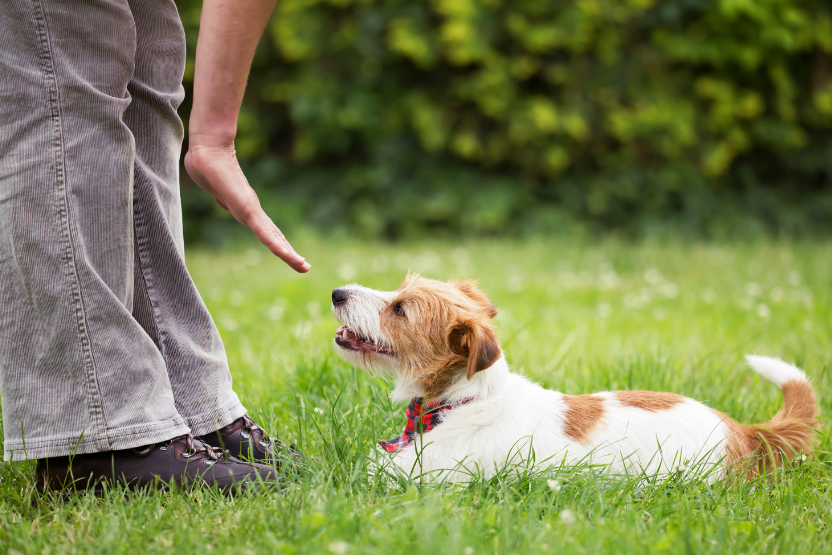
Dogs communicate through their behavior every day. Whether they are excited, anxious, curious, or uncertain, every action reflects how they understand the world around them. Dog behavior coaching Arizona helps owners recognize these signals while teaching dogs practical skills that improve communication, confidence, and everyday life. Instead of focusing only on correcting unwanted habits, behavior coaching addresses the reasons behind behaviors, creating long-term success through consistent guidance and positive learning experiences.
For families welcoming a new puppy, adopting an adult dog, or working through challenging behaviors, Rob’s Dog Training provides a structured coaching approach that strengthens trust between dogs and their owners. With patience, realistic expectations, and evidence-based training methods, lasting improvements become achievable for dogs of all ages.
Understanding Why Behavior Matters
Behavior is influenced by genetics, early experiences, health, environment, and daily routines. Dogs do not misbehave simply to be difficult. Instead, their actions often communicate unmet needs, confusion, excitement, stress, or a lack of understanding about expectations.
Behavior coaching focuses on identifying these underlying causes before developing a personalized training plan. This thoughtful approach helps owners solve problems instead of simply managing symptoms.
Common concerns include:
- Excessive barking
- Pulling on the leash
- Jumping on visitors
- Difficulty settling indoors
- Separation-related behaviors
- Poor recall
- Resource guarding
- Fear of unfamiliar situations
- Overexcitement around people or dogs
Addressing these behaviors early often prevents them from becoming long-term habits.
What Makes Behavior Coaching Different From Basic Obedience?
Traditional obedience focuses primarily on teaching commands like sit, stay, down, and come. While these skills are valuable, behavior coaching takes a broader approach by helping dogs make better decisions in everyday situations.
Behavior coaching emphasizes:
- Emotional regulation
- Impulse control
- Confidence building
- Environmental management
- Communication between owner and dog
- Problem-solving skills
- Consistent routines
Commands become part of a larger system that encourages thoughtful behavior instead of automatic responses alone.
The Value of Understanding Canine Communication
Dogs constantly communicate through body language long before they bark or growl.
Learning to recognize these signals allows owners to respond appropriately before behaviors escalate.
Important communication signals include:
- Tail position and movement
- Ear placement
- Facial expressions
- Eye contact
- Weight shifting
- Body posture
- Mouth tension
- Movement speed
When owners recognize these subtle signals, they can better support their dog’s emotional needs and guide behavior more effectively.
Dog Behavior Coaching Arizona Builds Everyday Success
Creating Consistent Household Expectations
Dogs thrive when expectations remain predictable.
Coaching helps establish household rules that every family member follows consistently. This reduces confusion while allowing dogs to understand which behaviors receive positive reinforcement.
Examples include:
- Waiting politely before meals
- Sitting before greeting visitors
- Walking calmly through doorways
- Relaxing on designated mats
- Responding reliably when called
Small daily habits often create the biggest long-term improvements.
Improving Impulse Control
Many unwanted behaviors stem from excitement rather than disobedience.
Dogs naturally react to movement, sounds, visitors, wildlife, and new experiences. Coaching teaches them how to pause, think, and make better choices before reacting.
Exercises commonly focus on:
- Waiting patiently
- Ignoring distractions
- Remaining calm around excitement
- Delaying rewards
- Focusing on handlers
These skills improve both safety and confidence.
Positive Reinforcement Encourages Reliable Learning
Modern behavior coaching relies heavily on positive reinforcement.
Instead of punishing mistakes, desired behaviors are rewarded, making dogs more likely to repeat those behaviors in the future.
Rewards may include:
- Treats
- Toys
- Praise
- Playtime
- Access to favorite activities
Positive reinforcement strengthens trust while creating an enjoyable learning experience for both dogs and owners.
Building Confidence Through Gradual Exposure
Confidence develops through successful experiences.
Behavior coaching introduces new environments, sounds, people, and situations gradually, allowing dogs to learn without becoming overwhelmed.
Examples may include:
- Walking through busy neighborhoods
- Visiting pet-friendly locations
- Meeting unfamiliar people
- Encountering bicycles or strollers
- Hearing household noises
- Riding in vehicles
Gradual exposure helps reduce fear while increasing resilience.
Addressing Fear Without Increasing Stress
Fear-based behaviors require patience and thoughtful planning.
Rather than forcing dogs into uncomfortable situations, coaching uses gradual exposure combined with positive experiences to change emotional responses over time.
Owners learn how to:
- Recognize early stress signals
- Create safe learning environments
- Build confidence step by step
- Reinforce calm behavior
- Avoid unintentionally rewarding fearful reactions
This approach supports emotional well-being while encouraging lasting progress.
Strengthening the Human-Canine Relationship
Behavior coaching benefits owners just as much as dogs.
Many challenges improve when owners develop stronger communication skills, better timing, and more realistic expectations.
Coaching often helps owners:
- Understand learning theory
- Improve consistency
- Build patience
- Read body language
- Reinforce desired behaviors
- Prevent unwanted habits
The result is a partnership built on trust instead of frustration.
Daily Practice Creates Lasting Habits
Behavior change happens through repetition.
Short, consistent practice sessions typically produce better results than occasional lengthy training sessions.
A daily routine may include:
- Five-minute focus exercises.
- Calm leash walking practice.
- Greeting visitors politely.
- Relaxation exercises indoors.
- Recall games during walks.
- Mental enrichment activities.
These routines reinforce good habits while fitting naturally into everyday life.
Mental Stimulation Supports Better Behavior
Dogs need mental exercise alongside physical activity.
Without appropriate mental engagement, boredom may contribute to undesirable behaviors.
Excellent enrichment activities include:
- Food puzzles
- Scent games
- Interactive toys
- Basic trick training
- Search-and-find activities
- Structured play sessions
Mental challenges encourage problem-solving while helping dogs relax after productive activity.
Socialization Is About Positive Experiences
Many people think socialization simply means meeting other dogs.
In reality, successful socialization involves helping dogs develop positive experiences with a wide variety of environments, sounds, people, and situations.
Healthy socialization may include exposure to:
- Different flooring surfaces
- Traffic sounds
- Children
- Elderly individuals
- Umbrellas
- Shopping areas
- Veterinary clinics
- Grooming equipment
The goal is building confidence, not overwhelming the dog.
Managing the Environment Improves Learning
Behavior coaching often begins by adjusting the dog’s environment.
Simple management strategies reduce opportunities for unwanted behaviors while new skills develop.
Examples include:
- Baby gates
- Crates
- Leashes indoors when needed
- Controlled introductions
- Quiet rest areas
- Predictable schedules
Management prevents repeated mistakes while training progresses.
Common Behavior Challenges Coaching Can Address
Behavior coaching supports a wide range of concerns, including:
Leash Pulling
Dogs learn to focus on their handler while walking calmly despite distractions.
Excessive Barking
Owners identify triggers while reinforcing quiet behavior and appropriate alternatives.
Jumping on Guests
Dogs practice polite greetings through repetition and consistency.
Poor Recall
Reliable recall develops through structured games and gradual increases in distractions.
Separation Challenges
Dogs gradually become more comfortable spending short periods alone through carefully planned exercises.
Anxiety Around New Experiences
Confidence-building activities help dogs approach unfamiliar situations with greater comfort.
Why Consistency Matters More Than Perfection
Every interaction teaches something.
Dogs learn through repeated experiences, meaning consistency across family members has a significant impact on progress.
Helpful consistency strategies include:
- Using the same cues
- Following similar routines
- Rewarding desired behaviors immediately
- Avoiding mixed messages
- Practicing regularly
Even small improvements accumulate over time.
Tracking Progress Helps Maintain Motivation
Behavior improvement often happens gradually.
Keeping a simple training journal helps owners recognize progress that might otherwise go unnoticed.
Record information such as:
- New successes
- Trigger situations
- Practice frequency
- Duration of calm behavior
- Improvements in focus
- Confidence milestones
Tracking progress also helps identify patterns that guide future training.
When Professional Coaching Makes a Difference
Some behaviors become difficult to resolve without experienced guidance.
Professional coaching offers objective observation, customized plans, and practical techniques tailored to individual dogs.
Support may be especially valuable when working with:
- Newly adopted rescue dogs
- Puppies during developmental stages
- Dogs displaying fearful behavior
- Multi-dog households
- High-energy breeds
- Dogs recovering from stressful experiences
Individualized coaching often shortens the learning curve while helping owners build confidence.
Supporting Lifelong Learning
Learning does not stop after basic obedience.
Dogs continue developing throughout their lives as they encounter new experiences, environments, and family routines.
Continuing education may include:
- Advanced obedience
- Public manners
- Cooperative care
- Enrichment activities
- Confidence-building exercises
- Ongoing social experiences
Regular practice keeps skills reliable while maintaining strong communication.
Final Thoughts
Successful dog behavior coaching Arizona goes beyond correcting unwanted habits. It helps owners understand canine behavior, build stronger communication, encourage confidence, and create consistent routines that support lifelong success. Through positive reinforcement, thoughtful guidance, daily practice, and individualized learning, dogs become calmer, more responsive companions while owners gain the knowledge needed to support lasting behavioral improvements.
For those seeking experienced guidance, Rob’s Dog Training provides personalized coaching designed to help dogs and their owners build trust, strengthen communication, and develop practical skills that improve everyday life.