A home does not need an expensive renovation to become easier and more enjoyable to live in. Many problems that make a house feel inconvenient come from poor organization, inefficient layouts, insufficient storage, or spaces that no longer match the household’s lifestyle. Addressing these smaller issues can significantly improve how a home functions without requiring walls to be removed or rooms to be completely rebuilt.
The key is to look at the home from a practical perspective. Instead of focusing primarily on appearance, consider how each area is used throughout the day. Small adjustments to furniture, storage, lighting, and everyday routines can make existing rooms work much harder.
Start With the Problems You Experience Every Day
Before buying furniture or reorganizing rooms, identify the frustrations that repeatedly occur. Perhaps shoes collect near the entrance, kitchen counters are constantly crowded, or the dining table has become a permanent workspace.
These everyday inconveniences provide useful clues about where improvements are needed. A household with children may need completely different solutions from someone living alone. Families searching for ideas through a parenting guide Australia resource, for example, may discover that practical household organization often begins with designing spaces around actual family routines rather than creating rooms that simply look tidy.
Write down the areas that regularly create frustration and prioritize them according to how frequently they affect daily life. Solving three persistent problems can sometimes improve a home more than making numerous decorative changes.
Rethink Furniture Placement
Furniture arrangement has an enormous influence on how comfortably people can move through a room. Large pieces positioned in inconvenient locations can make even a reasonably spacious room feel cramped.
Experiment with different layouts before considering structural changes. Keep frequently used pathways clear and avoid placing oversized furniture where it interrupts movement between rooms.
Think about purpose as well. A living room does not necessarily need to follow a traditional arrangement with every chair facing the television. If the household frequently reads, works, entertains guests, or plays games, furniture can be positioned to support several activities.
Ideas found through an Australia blog focused on homes and everyday living can provide inspiration, but every layout should ultimately reflect the habits of the people who actually occupy the property.
Make Storage Work Harder
Storage problems often create the impression that a house is too small when the real issue is that available space is not being used efficiently.
Look upward as well as outward. Tall shelving, wall mounted cabinets, hooks, and overhead storage can use vertical areas that would otherwise remain empty. The space underneath beds, benches, and some sofas can also accommodate belongings that are not needed every day.
Storage should be located close to where items are actually used. Towels belong near bathrooms, cooking equipment should be accessible from food preparation areas, and outdoor equipment should ideally be stored close to an entrance.
This approach reduces unnecessary movement and makes putting things away easier.
Give Rooms More Than One Purpose
Modern households often require homes to support several activities simultaneously. A spare bedroom might occasionally accommodate visitors while functioning primarily as an office. A dining area may need to support meals, homework, and administrative tasks.
Flexible furniture can make these arrangements practical. Folding desks, extendable tables, nesting tables, storage benches, and movable shelving allow spaces to change according to immediate needs.
Resources such as sydhub.com.au can expose readers to broader lifestyle topics and ideas relevant to contemporary Australian living. Whatever the source of inspiration, multifunctional design works best when each activity has appropriate storage so that switching between uses does not create additional clutter.
Improve the Entryway
The entrance is one of the busiest areas in many homes, yet it is frequently overlooked. Bags, shoes, umbrellas, coats, keys, and deliveries can quickly create disorder.
A simple entry station can solve much of the problem. Consider hooks for bags and jackets, a narrow shoe cabinet, a small tray for keys, and baskets for miscellaneous belongings.
Households with limited entrance space can use vertical storage or slim furniture rather than large cabinets. Even a few strategically positioned hooks can prevent belongings from spreading into nearby rooms.
A functional entrance also makes leaving the house easier because frequently needed items have predictable locations.
Create Activity Zones
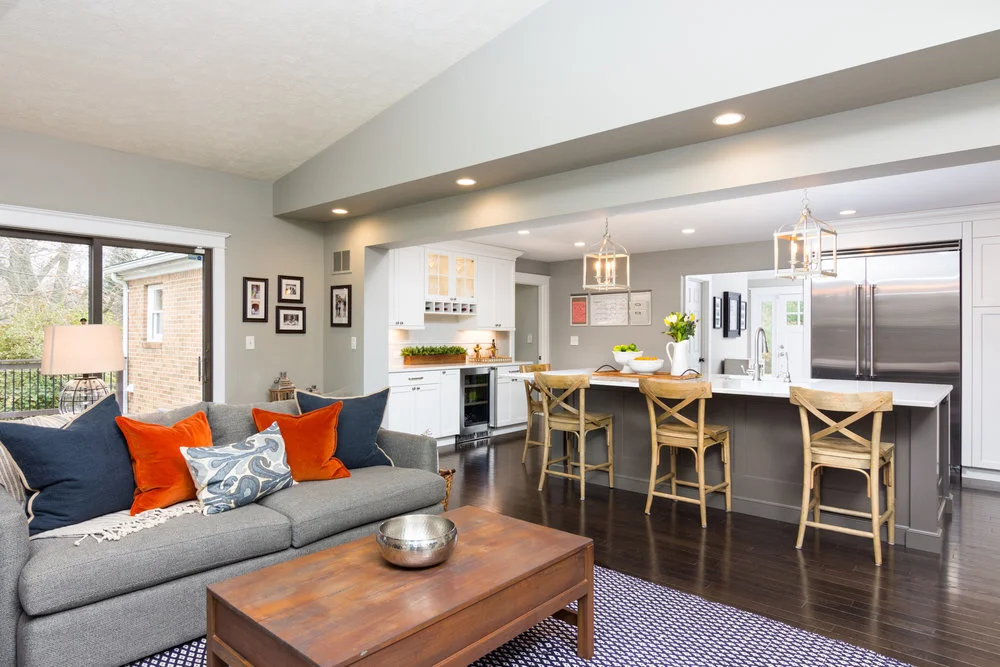
Open rooms can become more useful when divided into activity zones without constructing walls. A large living area, for example, might contain separate spaces for conversation, television, reading, and children’s activities.
Rugs, furniture placement, lighting, and shelving can visually define these areas. A bookshelf positioned between two zones can provide both separation and additional storage.
This strategy is particularly valuable when people need to perform different activities simultaneously. Someone may need a quiet working corner while another household member watches television.
Creating zones gives each activity a recognizable place without permanently changing the architecture.
Pay Attention to Lighting
Lighting affects functionality just as much as furniture does. A room with insufficient lighting can be inconvenient even when its layout is otherwise effective.
Instead of depending entirely on one ceiling fixture, introduce several sources of light. Task lighting can support cooking, reading, studying, grooming, or working. Floor and table lamps can brighten darker corners while also making rooms feel more comfortable.
Natural light should also be used effectively. Avoid placing unnecessarily bulky furniture directly in front of windows. Lighter curtains can allow daylight into rooms while still providing privacy where appropriate.
Simplify the Kitchen
Kitchen improvements do not always require replacing cabinets or appliances. Reorganizing existing storage can make food preparation noticeably easier.
Place frequently used utensils and ingredients near the areas where they are needed. Everyday cookware should be easily accessible, while equipment used only occasionally can occupy higher shelves or less convenient cabinets.
Drawer organizers, shelf risers, hooks, and labeled containers can improve visibility. The objective is not simply to fit more items into cabinets. It is to make everyday items easier to locate, use, and return.
Clearing unnecessary objects from countertops can also create additional preparation space without increasing the kitchen’s physical size.
Consider How Your Location Shapes Your Home
The way a household functions is influenced by what happens outside the property as well. Someone who relies heavily on city transportation, for example, may benefit from having a dedicated place near the entrance for commuting essentials such as bags, reusable bottles, umbrellas, travel cards, and weather appropriate clothing.
Someone who drives regularly may prioritize garage organization, while cyclists might need convenient bicycle and equipment storage.
Functional design therefore should not be separated from lifestyle. The best home organization solutions support the routines that begin and end at the front door.
Reduce What You No Longer Need
Adding storage is not always the answer. Sometimes the simplest improvement is reducing the number of possessions competing for available space.
Review cupboards, wardrobes, drawers, and storage areas periodically. Items that are broken, duplicated, unused, or no longer appropriate for the household can be donated, recycled, sold, or responsibly discarded.
Decluttering does not require creating an extremely minimal home. The goal is to make enough room for possessions that are genuinely useful.
When storage areas are not packed to maximum capacity, finding and returning belongings becomes much easier.
Focus on Function Before Major Construction
Renovation can be worthwhile when a property has structural problems or when the existing layout genuinely cannot meet household needs. However, it should not automatically be the first solution whenever a home feels inconvenient.
Start with smaller changes. Rearrange furniture, improve storage, create activity zones, adjust lighting, declutter possessions, and reconsider how individual rooms are being used. Live with these changes long enough to understand whether they solve the underlying problems.
A more functional home is not necessarily a larger, newer, or more expensive one. It is a home where spaces support everyday routines with less effort. By improving how existing areas are organized and used, homeowners can create meaningful changes without committing to the cost and disruption of a complete renovation.