Buying a brand-new home feels like a safe bet. Everything is freshly built, covered by warranty, and constructed to current codes. Many buyers skip the inspection entirely, assuming that nothing could be wrong with a house that’s never been lived in. This assumption costs homeowners thousands of dollars in repairs they discover after closing, when the builder has already moved on to the next project.
A home inspector provides an independent evaluation that catches problems builders and municipal inspectors miss. New homes regularly have defects ranging from minor cosmetic issues to serious structural problems that only surface after construction finishes. Getting an inspection before closing gives you leverage to demand repairs while the builder still has an incentive to fix them.
New Homes Still Need A Home Inspection!
Even brand-new homes can have hidden problems. Mistakes by contractors, tight deadlines, and coordination gaps between trades can create defects that are not visible after walls and finishes are in place. A professional inspection finds these issues before you close and ensures your new home is built correctly.
Human Error and Coordination Gaps
Construction involves many trades working in sequence. Walls may be misaligned, wiring may be missed, or ducts may be left unsealed. Pipes and insulation can get covered by drywall before anyone notices. These mistakes happen even in new homes, which is why inspections are important.
New Materials Do Not Guarantee Proper Installation
New materials are not always installed correctly. A water heater connected wrong may leak, and shingles without proper flashing can let water in. An inspection ensures that both materials and installation meet standards.
Why Municipal Inspections Aren’t Enough
Many buyers assume that city or county inspections during construction guarantee a problem-free home. Municipal inspectors serve an important role, but their scope is limited. Municipal inspections have significant limitations:
- Code inspectors verify minimum compliance, not quality craftsmanship
- They spend minutes at each visit checking specific items on a checklist
- Inspections happen at predetermined stages, not after everything comes together
- They don’t examine how all systems function as a complete unit
A professional home inspector examines the finished product comprehensively and identifies problems that code inspections never address.
Does the Builder’s Warranty Replace an Inspection?
Builder warranties provide important protection, but they don’t eliminate the need for independent inspection. Waiting until problems appear means living with issues longer than necessary. Relying solely on warranties creates risks:
- Warranties cover defects but require you to discover and report them
- Some problems cause secondary damage before becoming noticeable
- Warranty claims are easier when documented before closing
- Coverage periods expire, often before hidden issues surface
- Determining defect versus normal wear becomes complicated over time
An inspection before closing documents the home’s condition while the builder still has maximum incentive to make corrections.
When to Schedule Your New Construction Inspection
Timing matters significantly for new construction inspections. The most thorough approach includes multiple inspections at different construction stages.
Pre-Drywall Inspection
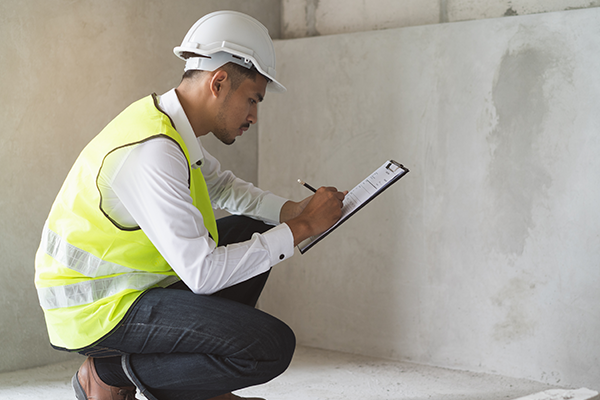
This inspection happens after framing, electrical, plumbing, and HVAC rough-ins are complete, but before drywall covers everything. You can see the home’s skeleton and catch problems that become invisible once the walls close up.
Final Completion Inspection
Schedule this after the builder finishes all work but before your final walkthrough. You’ll have a detailed professional report identifying every defect, giving you documentation to support repair requests.
11-Month Warranty Inspection
Many buyers schedule an inspection near the end of their one-year builder warranty. After living through seasonal changes, problems that weren’t apparent at closing may have surfaced.
What a New Construction Inspector Examines
New construction inspections cover the same systems as resale home inspections, while also looking for issues specific to newly built properties. A comprehensive inspection covers all major systems:
- Foundation and grading to ensure proper drainage away from the home
- Structural framing, including beams, joists, and load-bearing walls
- Electrical systems from the panel to outlets and fixtures
- Plumbing connections, water pressure, and drainage function
- HVAC installation, ductwork sealing, and system operation
- Roof components, including shingles, flashing, and ventilation
Thermal imaging proves especially valuable because it reveals insulation gaps, moisture intrusion, and electrical hot spots invisible to the naked eye.
Working With Your Builder on Inspection Findings
Professional builders welcome independent inspections because they demonstrate commitment to quality. Present inspection findings calmly with documentation in hand and focus on solutions rather than blame.
Most reputable builders address valid concerns quickly because they want satisfied customers and minimal warranty claims. If a builder reacts defensively to reasonable inspection findings, that response reveals something about how they’ll handle future warranty issues.
The Cost of Inspection vs. the Cost of Problems
New construction inspections typically cost $400 to $600, with phased inspections running roughly double. Compare this to problems discovered after closing.
- HVAC replacement from improper installation runs $5,000 to $15,000
- Foundation repairs from drainage issues cost $3,000 to $25,000
- Roof repairs from flashing failures range from $1,000 to $5,000
- Water damage remediation costs $2,000 to $10,000
The inspection fee represents a tiny fraction of your home purchase and potential repair costs.
What’s the difference between my final walkthrough and a professional inspection?
The walkthrough is your check for cosmetic issues. A home inspector conducts a comprehensive technical evaluation of the structure, systems, and code compliance.
Should I do a pre-drywall inspection, a final inspection, or both?
Both provide maximum protection. If the budget is tight, prioritize the final inspection.
Takeaway
New construction homes need independent inspections just as much as older properties. Builder pressure, subcontractor errors, and limited municipal oversight all contribute to defects that buyers discover too late without professional examination.
Greenhorn Breckenridge, LLC provides thorough home inspection services throughout Kern County, Bakersfield, and the High Desert. As a veteran-owned and family-operated company, they include free thermal imaging with every inspection and deliver same-day reports with photos and actionable recommendations. Their InterNACHI-certified inspectors examine every system so you can close with confidence. Contact them today.
About the Author