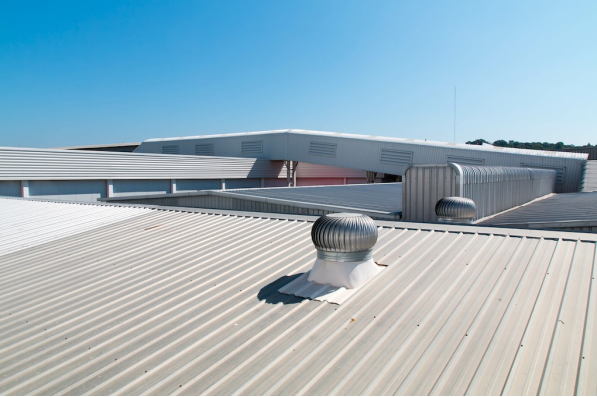
Commercial roofing systems face greater stress than residential roofs due to their size, design complexity, and constant exposure to environmental and operational loads.
Flat or low-slope structures, heavy equipment installations, and drainage demands all contribute to faster wear if not properly maintained. Taking care of commercial roofing repairs requires a proactive approach that focuses on prevention as much as correction.
Conduct Regular Professional Inspections
Routine inspections are essential for identifying early signs of damage. Commercial roofs should be assessed for membrane wear, ponding water, flashing deterioration, and surface punctures.
These issues often develop gradually and are not always visible from ground level. Regular inspections allow facility managers to detect problems early, preventing small defects from escalating into structural failures or costly emergency roof repairs.
Prioritise Drainage and Water Management
Water is one of the most significant threats to commercial roofing systems. Poor drainage leads to ponding water, which can weaken roofing membranes and increase the risk of leaks.
Gutters, internal drains, and scuppers must be kept clear of debris to ensure proper water flow. Effective drainage design and ongoing maintenance are critical to preserving roof integrity and preventing long-term damage to the building structure.
Address Minor Repairs Without Delay
Small issues in commercial roofing systems can escalate quickly due to the size and exposure of the surface area. Minor punctures, loose seams, or damaged flashing should be repaired immediately to prevent moisture penetration.
Delayed action often results in insulation damage, mould growth, and structural weakening beneath the roof surface. A prompt response to minor issues significantly reduces long-term repair costs.
Use Qualified Commercial Roofing Professionals
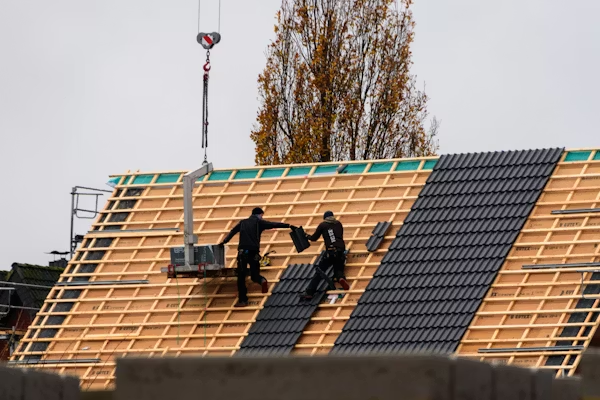
Commercial roofing repairs require specialised knowledge and equipment. Professional roofing contractors understand the complexities of large-scale systems, including membrane applications, thermal performance, and load distribution.
Their expertise ensures that repairs are carried out correctly and comply with safety and building standards. Attempting repairs without qualified support increases the risk of improper sealing and future failure.
Implement Preventative Maintenance Programs
A structured maintenance program is one of the most effective ways to manage commercial roofing repairs. This includes scheduled inspections, seasonal maintenance, and documentation of all repairs and changes.
Preventative maintenance helps identify recurring issues and ensures that the roof remains in stable condition throughout the year. Consistency in upkeep reduces the likelihood of unexpected failures and extends the lifespan of the roofing system.
Monitor Roof Traffic and Equipment Impact
Commercial roofs often support HVAC units, ventilation systems, and maintenance access pathways. Regular foot traffic and equipment installation can cause surface wear over time. Protective walkways and designated access points help reduce damage to roofing materials. Monitoring and controlling roof usage is an important part of preserving structural integrity and preventing avoidable repair needs.
Maintain Documentation and Repair History
Keeping detailed records of inspections, repairs, and material replacements is essential for effective roof management. This documentation helps identify patterns of damage and supports informed decision-making for future maintenance or upgrades. It also provides valuable information for budgeting and long-term planning.
Ensure Long-Term Structural Stability
Ultimately, caring for commercial roofing repairs requires a disciplined, proactive approach. Regular inspections, prompt repairs, proper drainage management, and professional oversight all contribute to long-term stability. When managed correctly, a commercial roof becomes a reliable protective system that supports the building’s function and longevity.