Pergolas have become a central element in backyard design, offering a way to define space while enhancing comfort and visual appeal. Whether placed over a patio, deck, or garden area, a pergola helps shape how outdoor environments are used throughout the year. One of the most important decisions homeowners face is choosing between traditional wood and modern alumawood materials.
Each option brings its own strengths and considerations. While wood offers a natural and timeless appearance, alumawood introduces durability and low maintenance. Understanding how these materials compare allows homeowners to select a pergola that aligns with their lifestyle, climate, and design goals.
The Role of Pergolas in Outdoor Living
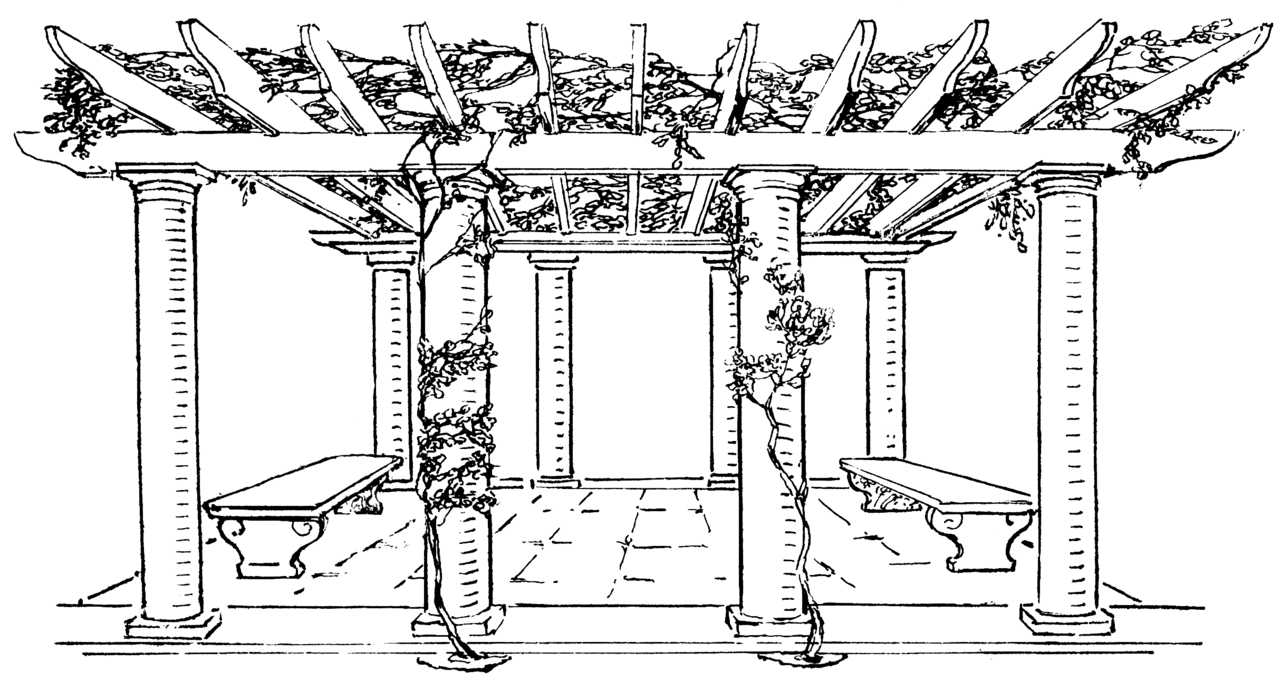
A pergola serves as more than just a decorative structure. It defines a functional area within the backyard, creating a sense of enclosure without fully closing off the space. This balance allows homeowners to enjoy the outdoors while maintaining comfort and usability.
From a design perspective, pergolas also help connect different elements of the landscape. They can anchor seating areas, frame pathways, or provide a transition between indoor and outdoor spaces. When thoughtfully integrated, they contribute to a cohesive and inviting environment.
Enhancing Daily Use of Outdoor Spaces
Modern outdoor living is about creating spaces that support everyday activities. A pergola can transform an open area into a usable extension of the home, suitable for dining, relaxing, or entertaining. The choice of material influences how well the structure supports these activities over time.
Factors such as shade, durability, and maintenance all play a role in determining the overall experience.
Understanding Traditional Wood Pergolas
Wood pergolas have long been a popular choice due to their natural beauty and versatility. They can be customized with different finishes, stains, and design details to match a variety of architectural styles. This flexibility makes them appealing for homeowners seeking a personalized look.
However, wood requires consistent maintenance to preserve its appearance and structural integrity. Exposure to moisture, sunlight, and insects can lead to issues such as warping, cracking, or fading if not properly addressed.
Maintenance and Longevity
Maintaining a wood pergola involves regular sealing, staining, and inspection. While this upkeep can extend the lifespan of the structure, it also requires time and effort. Homeowners must consider whether they are willing to commit to this level of maintenance.
For those who appreciate the evolving character of natural materials, wood remains a compelling option despite these requirements.
Exploring Alumawood Pergolas
Alumawood pergolas are designed to replicate the appearance of wood while offering the structural benefits of aluminum. This combination provides a durable and low-maintenance alternative to traditional materials. The finish is typically engineered to resist fading and weather-related damage, helping the structure maintain its appearance over time.
These pergolas are often constructed using prefabricated components, which allows for precise assembly and consistent results. This approach has made them increasingly popular in modern outdoor design.
Durability and Practical Benefits
Alumawood does not absorb moisture, which reduces the risk of rot or warping. It is also resistant to insects and UV exposure, making it a reliable option in a wide range of climates. These qualities contribute to its long-term performance and ease of ownership.
Manufacturers such as Royal Covers have refined alumawood systems to offer both structural strength and design flexibility, ensuring that they can adapt to different backyard layouts.
Comparing Wood and Alumawood Pergolas
When evaluating these materials, the decision often comes down to balancing aesthetics, maintenance, and long-term value. Both wood and alumawood can enhance an outdoor space, but they do so in different ways.
For homeowners seeking a deeper understanding of wood or alumawood pergola options, examining how each material performs over time can provide valuable insight.
Aesthetic Considerations
Wood offers a natural texture and warmth that many homeowners find appealing. Its ability to be customized allows for unique designs that reflect personal preferences. This makes it particularly suitable for traditional or rustic settings.
Alumawood, while engineered, closely mimics the look of wood. It provides a consistent finish that remains stable over time, which can be advantageous for maintaining a polished appearance.
Maintenance and Cost Over Time
Maintenance is one of the most significant differences between the two materials. Wood requires ongoing care, while alumawood typically needs only occasional cleaning. Over time, this difference can influence both cost and convenience.
Homeowners who prefer a low-maintenance solution often gravitate toward alumawood, while those who value authenticity may choose wood despite the additional upkeep.
Integrating Pergolas with Outdoor Features
A pergola should complement the overall design of the backyard rather than stand apart from it. Coordinating it with features such as patios, seating areas, and landscaping helps create a cohesive environment. This integration enhances both functionality and visual appeal.
For example, adding a pergola over a patio bar area can create a comfortable space for entertaining. Homeowners exploring this idea may find inspiration in this guide to patio bar setups, which highlights how furniture and structure can work together.
Drawing Inspiration from Design Projects
Looking at completed outdoor spaces can provide valuable insight into how different materials and styles come together. Examples such as these outdoor living designs showcase how pergolas can enhance both modern and traditional settings.
These projects demonstrate the importance of aligning material choices with the overall design vision.
Installation and Environmental Considerations
Proper installation is essential for ensuring the longevity of any pergola. This includes preparing a stable foundation, securing the structure appropriately, and accounting for environmental factors such as wind and drainage. Both wood and alumawood pergolas require careful planning to achieve the best results.
Climate also plays a role in determining which material is most suitable. In areas with high humidity or frequent rainfall, alumawood may offer better resistance to moisture-related issues. In drier climates, wood can perform well with proper maintenance.
Planning for Long-Term Performance
Considering how the pergola will be used over time helps guide material selection. A structure that aligns with the homeowner’s lifestyle and environmental conditions is more likely to remain functional and visually appealing.
Thoughtful planning ensures that the pergola becomes a lasting feature rather than a temporary addition.
Final Thoughts on Choosing the Right Pergola Material
Choosing between wood and alumawood pergolas involves weighing aesthetics, maintenance, and durability. Each material offers unique benefits, and the right choice depends on how the space will be used and maintained.
With careful consideration and proper integration into the backyard design, a pergola can enhance both the comfort and character of an outdoor living space. The goal is to create a structure that supports everyday use while maintaining its appeal over time.