Introduction
Sustainability has become a major focus for homeowners who want to reduce their environmental impact while maintaining comfortable and attractive living spaces. From energy-efficient windows to eco-friendly flooring, many building materials now offer greener alternatives than ever before.
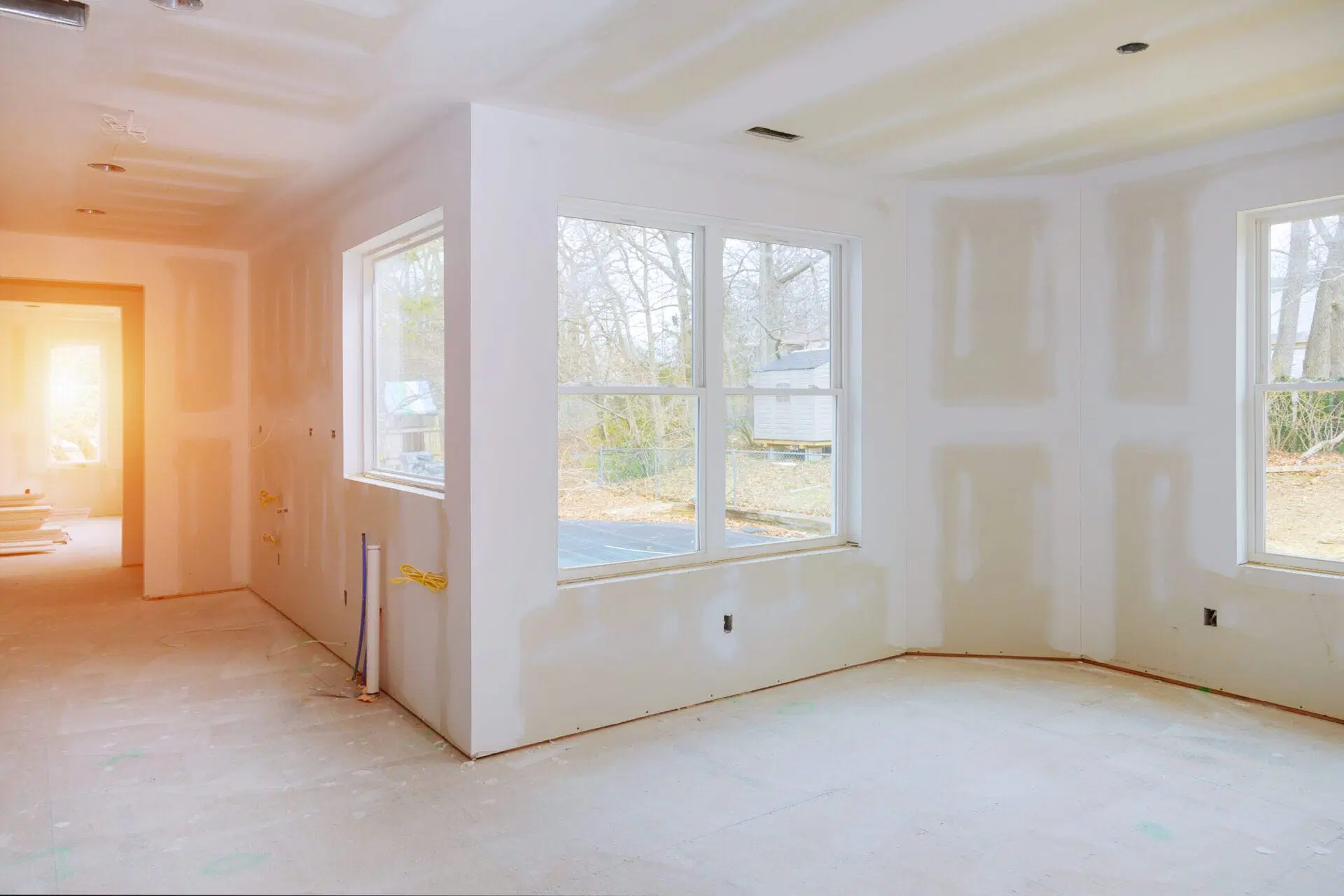
One area often overlooked during home renovations is drywall. Since drywall covers most interior walls and ceilings, the materials chosen can significantly influence a home’s sustainability, indoor air quality, and long-term maintenance requirements.
Fortunately, manufacturers have developed several environmentally friendly drywall products that help homeowners create healthier and more efficient homes. Understanding these options can help you make smarter decisions during your next remodeling or construction project.
Why Sustainable Drywall Matters
Traditional drywall remains one of the most widely used building materials in residential construction. It is affordable, versatile, and relatively easy to install. However, producing drywall requires natural resources, energy, and transportation, all of which contribute to environmental impact.
Eco-friendly drywall products aim to reduce this impact through the use of recycled materials, improved manufacturing methods, and enhanced durability. By selecting sustainable drywall options, homeowners can support environmentally responsible building practices while potentially reducing future maintenance and replacement costs.
In addition to environmental benefits, many eco-friendly drywall products contribute to healthier indoor environments.
Recycled Content Drywall
One of the most popular sustainable drywall choices is drywall made with recycled content.
Many modern drywall manufacturers incorporate recycled gypsum into their products. Gypsum can be recovered from construction debris or industrial byproducts and reused in the production of new drywall panels. The paper facing used on drywall is also frequently made from recycled paper materials.
This approach helps reduce landfill waste while conserving natural resources. For homeowners seeking environmentally conscious building solutions, recycled-content drywall offers an excellent balance of performance and sustainability.
Paperless Drywall for Improved Durability
Traditional drywall relies on paper facings to hold the gypsum core together. While effective in many situations, paper can become vulnerable to moisture and mold under certain conditions.
Paperless drywall uses fiberglass mat facings instead of paper. This design improves resistance to mold and mildew while increasing durability in moisture-prone areas.
Because paperless drywall often lasts longer and requires fewer replacements, it can be a more sustainable choice over the lifetime of a home.
Bathrooms, laundry rooms, and basements are common locations where paperless drywall can provide significant benefits.
Low-Emission Drywall Products
Indoor air quality is an important consideration when selecting building materials.
Some drywall products are designed to minimize emissions of volatile organic compounds (VOCs) and other airborne pollutants. These low-emission materials help create healthier indoor environments and may be particularly beneficial for households with children, seniors, or individuals with respiratory sensitivities.
When combined with low-VOC paints and proper ventilation, eco-friendly drywall can contribute to improved indoor comfort and air quality.
Moisture-Resistant Drywall Supports Sustainability
One of the keys to sustainable construction is selecting materials that last longer.
Moisture-resistant drywall is designed to withstand humid conditions and reduce the likelihood of mold growth or water damage. By preventing premature deterioration, these products help extend the lifespan of wall systems and reduce the need for future replacements.
Using moisture-resistant drywall in areas exposed to humidity can help homeowners save money while reducing construction waste over time.
The Importance of Professional Installation
Even the most environmentally friendly drywall product can fail if it is not installed correctly.
Proper installation ensures that drywall performs as intended and reaches its maximum lifespan. Working with an experienced drywall company can help homeowners choose suitable products while ensuring proper installation techniques are followed.
Professional installation minimizes waste, improves durability, and helps avoid costly repairs in the future.
Synthetic Gypsum Drywall
Another eco-friendly innovation in the drywall industry is the use of synthetic gypsum.
Synthetic gypsum is created as a byproduct of industrial emissions control systems. Rather than disposing of this material, manufacturers process it into high-quality drywall products.
This practice helps reduce landfill waste while providing a reliable alternative to gypsum mined from natural sources. Many drywall products available today contain synthetic gypsum and perform similarly to traditional drywall.
The use of recycled industrial materials represents a significant advancement in sustainable building practices.
Reducing Construction Waste
Construction and demolition waste account for a substantial portion of landfill material worldwide.
Choosing drywall products designed for efficient installation can help reduce waste generated during construction projects. Some manufacturers offer drywall panels in sizes that minimize cutting and material loss.
Careful planning and accurate measurements further reduce unnecessary waste. By focusing on efficient material usage, homeowners can support environmentally responsible construction practices.
Mold Resistance and Long-Term Performance
Mold damage is one of the most common reasons drywall requires replacement.
Eco-friendly drywall products often include enhanced mold-resistant properties that help prevent moisture-related problems before they begin. Reducing mold growth not only protects indoor air quality but also extends the lifespan of wall systems.
Long-lasting materials contribute directly to sustainability by reducing the frequency of repairs and replacements.
Energy Efficiency Benefits
Although drywall is not typically considered an insulation material, some advanced drywall systems can contribute to overall energy efficiency.
Certain products are designed to improve thermal performance and help maintain indoor temperatures more effectively. When used alongside proper insulation, these drywall systems can support lower energy consumption throughout the year.
Reduced energy use benefits homeowners financially while helping decrease environmental impact.
Repairing Instead of Replacing
Sustainability involves more than selecting environmentally friendly products—it also includes preserving existing materials whenever possible.
Minor drywall damage does not always require complete replacement. Cracks, dents, and small holes can often be repaired successfully, extending the life of existing wall systems.
When damage occurs, professional drywall repair woodbury services can restore walls efficiently while minimizing waste and avoiding unnecessary demolition.
Repairing drywall rather than replacing entire sections helps conserve resources and reduce landfill contributions.
Choosing the Right Eco-Friendly Drywall
The best drywall choice depends on the specific needs of your project.
Homeowners should evaluate factors such as moisture exposure, indoor air quality goals, durability requirements, and budget. Different rooms may benefit from different drywall products depending on their function and environmental conditions.
Understanding the strengths of each drywall type helps ensure a more successful and sustainable renovation.
The Financial Benefits of Sustainable Materials
Many homeowners assume eco-friendly materials are significantly more expensive. While some products may have higher upfront costs, they often provide long-term savings through increased durability and reduced maintenance.
Moisture-resistant, mold-resistant, and high-performance drywall products frequently require fewer repairs and replacements throughout their lifespan.
These long-term savings can make environmentally responsible choices a smart financial investment as well as an ecological one.
Eco-friendly drywall options provide homeowners with practical ways to support sustainability without sacrificing quality or performance. From recycled-content drywall and synthetic gypsum products to paperless and moisture-resistant solutions, there are numerous options available for environmentally conscious construction and remodeling projects.
By selecting durable materials, reducing waste, improving indoor air quality, and prioritizing professional installation, homeowners can create healthier and more efficient living spaces. Sustainable drywall choices not only benefit the environment but also contribute to the long-term comfort, value, and durability of a home.
As green building practices continue to evolve, eco-friendly drywall will remain an important part of creating homes that are both environmentally responsible and built to last.