Backyard spaces are no longer treated as secondary areas of the home. They have become extensions of everyday living, designed with the same level of care as interior rooms. Pergolas are often at the center of this transformation, providing both visual structure and functional shade. The choice of material plays a defining role in how well these structures perform over time.
Among the most common options, metal and wood pergolas each offer distinct advantages. While wood has long been associated with traditional outdoor design, modern metal systems have introduced new levels of durability and flexibility. Understanding how these materials compare allows homeowners to make informed decisions that support both aesthetics and long-term usability.
The Importance of Material in Pergola Design
The material used in a pergola influences everything from maintenance requirements to structural lifespan. Outdoor structures are exposed to sun, rain, and temperature fluctuations, all of which can affect their performance. Selecting the right material ensures that the pergola remains both functional and visually appealing over time.
Beyond durability, material choice also impacts how the pergola integrates with the surrounding environment. A well-matched structure complements the home’s architecture and enhances the overall flow of the backyard.
Balancing Performance with Appearance
Homeowners often weigh the natural appeal of wood against the resilience of metal. Each material brings its own character, and the decision often comes down to how much maintenance the homeowner is willing to undertake. A pergola should not only look good at installation but continue to perform reliably for years.
Design professionals typically consider both immediate visual impact and long-term practicality when recommending materials for outdoor projects.
Understanding Wood Pergolas
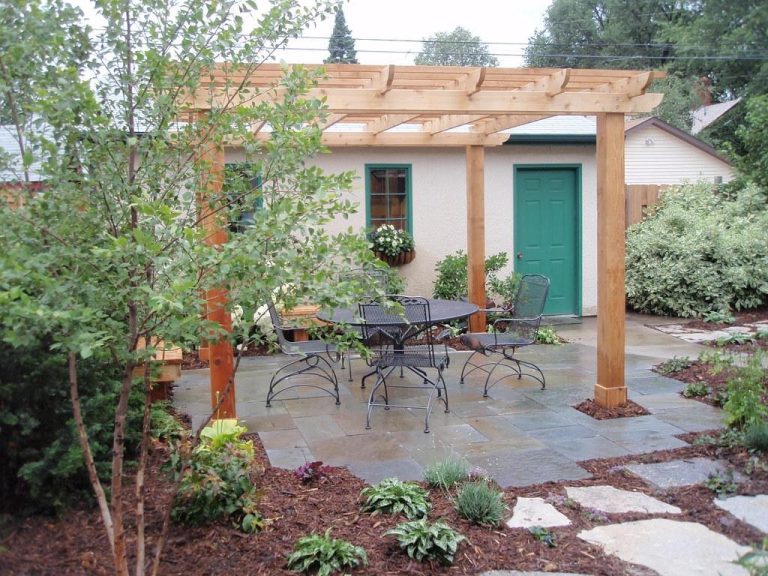
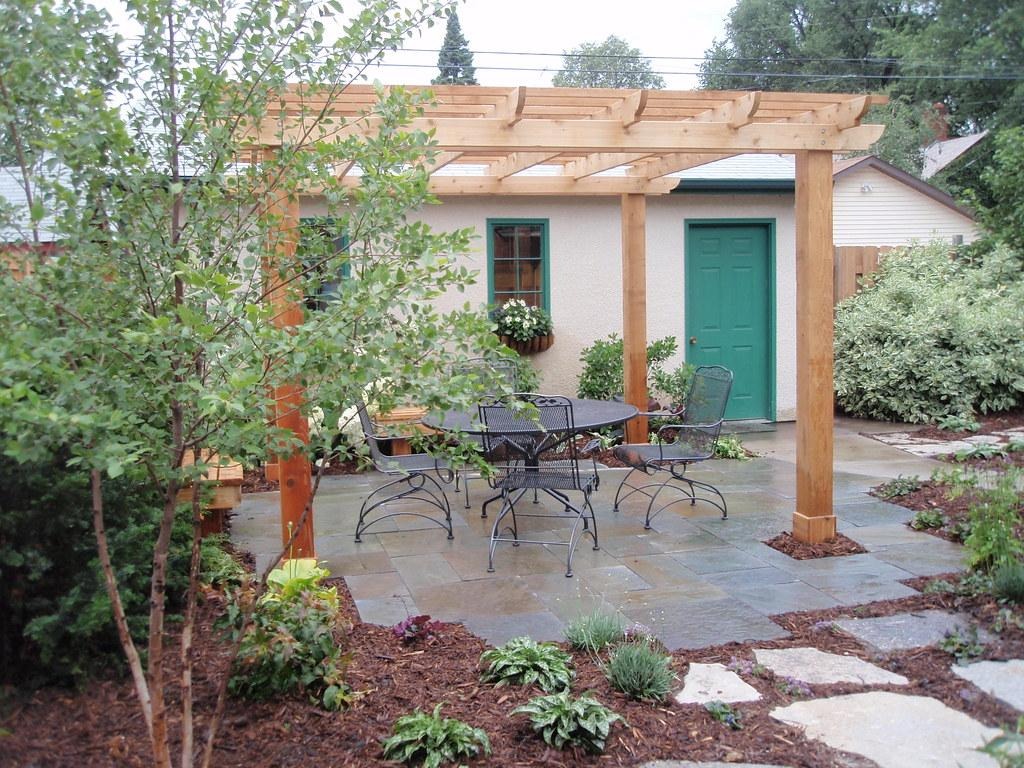
Wood pergolas have been a staple in outdoor design for decades. Their natural texture and warmth make them a popular choice for homeowners seeking a classic and inviting look. Wood can be customized with stains and finishes, allowing for a high degree of personalization.
However, wood requires ongoing care to maintain its appearance and structural integrity. Exposure to moisture can lead to rot or warping, while sunlight may cause fading or cracking. Regular maintenance is essential to protect the material from these effects.
Natural Aging and Maintenance Needs
Over time, wood develops a unique character as it ages. Some homeowners appreciate this evolving appearance, while others prefer a more consistent look. Maintaining wood requires periodic sealing, staining, and inspection to ensure that it remains in good condition.
This level of upkeep can be manageable for those who enjoy hands-on maintenance, but it may not suit homeowners looking for a low-maintenance solution.
Exploring Metal Pergolas
Metal pergolas, particularly those made from aluminum, offer a modern alternative that addresses many of the challenges associated with wood. These structures are designed to withstand environmental stress while maintaining a clean and consistent appearance. Advances in manufacturing have also made it possible to achieve finishes that mimic natural materials.
Metal pergolas are resistant to moisture, insects, and UV damage, which contributes to their longevity. Their durability makes them a practical choice for homeowners seeking a structure that requires minimal upkeep.
Consistency and Structural Reliability
One of the key advantages of metal pergolas is their ability to maintain structural integrity over time. They do not warp or crack, and their finishes are designed to resist fading. This consistency is particularly valuable in climates with extreme weather conditions.
Companies like Royal Covers have developed metal pergola systems that combine strength with design flexibility. Their approach reflects a broader trend toward materials that offer both performance and visual appeal.
Comparing Metal and Wood Pergolas
When deciding between materials, the comparison often centers on durability, maintenance, and aesthetic preferences. Both metal and wood pergolas can enhance a backyard, but they do so in different ways. Understanding these differences helps homeowners choose a solution that aligns with their priorities.
For a closer examination of how these materials perform in real-world applications, many homeowners review insights on metal versus wood pergola options to better understand their strengths and limitations.
Maintenance and Longevity
Maintenance is one of the most significant factors in this comparison. Wood requires regular care to prevent deterioration, while metal typically needs only occasional cleaning. Over time, this difference can affect both cost and convenience.
In terms of longevity, metal pergolas often provide a more stable solution, especially in challenging climates. Wood can last for many years with proper maintenance, but it is more susceptible to environmental factors.
Design Versatility and Visual Impact
Wood offers a natural and organic appearance that many homeowners find appealing. It can be shaped and finished to suit a variety of styles, from rustic to traditional. This flexibility makes it a strong choice for customized designs.
Metal pergolas, on the other hand, provide a sleek and consistent look. They are available in a range of finishes, including wood-like textures, allowing them to blend with different architectural styles. This versatility makes them suitable for both modern and classic settings.
Integrating Pergolas into Broader Backyard Projects
A pergola is most effective when it is part of a larger design strategy. Coordinating it with other outdoor features such as patios, landscaping, and seating areas creates a cohesive environment. This approach enhances both functionality and visual harmony.
Homeowners planning renovations often consider how pergolas fit into broader upgrades. Resources like this guide to home renovation improvements provide insight into how different elements can work together to elevate a property.
Drawing Inspiration from Real Projects
Exploring completed projects can help homeowners visualize how different materials and designs come together. Seeing how pergolas are used in various settings provides valuable perspective on what might work best for a specific space.
For example, collections such as these pergola and gazebo ideas highlight how both wood and metal structures can be integrated into diverse backyard layouts.
Installation and Environmental Considerations
Proper installation is essential for ensuring the long-term performance of any pergola. This includes preparing a stable foundation, securing the structure appropriately, and accounting for environmental factors such as wind and drainage. Even durable materials require careful planning to achieve the best results.
Metal pergolas often feature prefabricated components that allow for precise assembly, while wood pergolas may require more customization during installation. Working with experienced professionals helps ensure that the structure is both stable and visually aligned with the home.
Adapting to Climate Conditions
Climate plays a significant role in determining which material is most suitable. In areas with high humidity or frequent rainfall, metal pergolas may offer better resistance to moisture-related issues. In drier climates, wood can perform well with proper maintenance.
Understanding local conditions allows homeowners to select a pergola that not only looks good but also performs reliably over time.
Final Thoughts on Pergola Material Selection
Choosing between metal and wood pergolas involves balancing aesthetics, maintenance, and long-term performance. Each material offers unique benefits, and the right choice depends on how the space will be used and maintained.
With thoughtful planning and a clear understanding of material characteristics, a pergola can become a lasting feature that enhances both the comfort and character of an outdoor space. The goal is to create a structure that supports everyday living while standing up to the demands of the environment.
About the Author