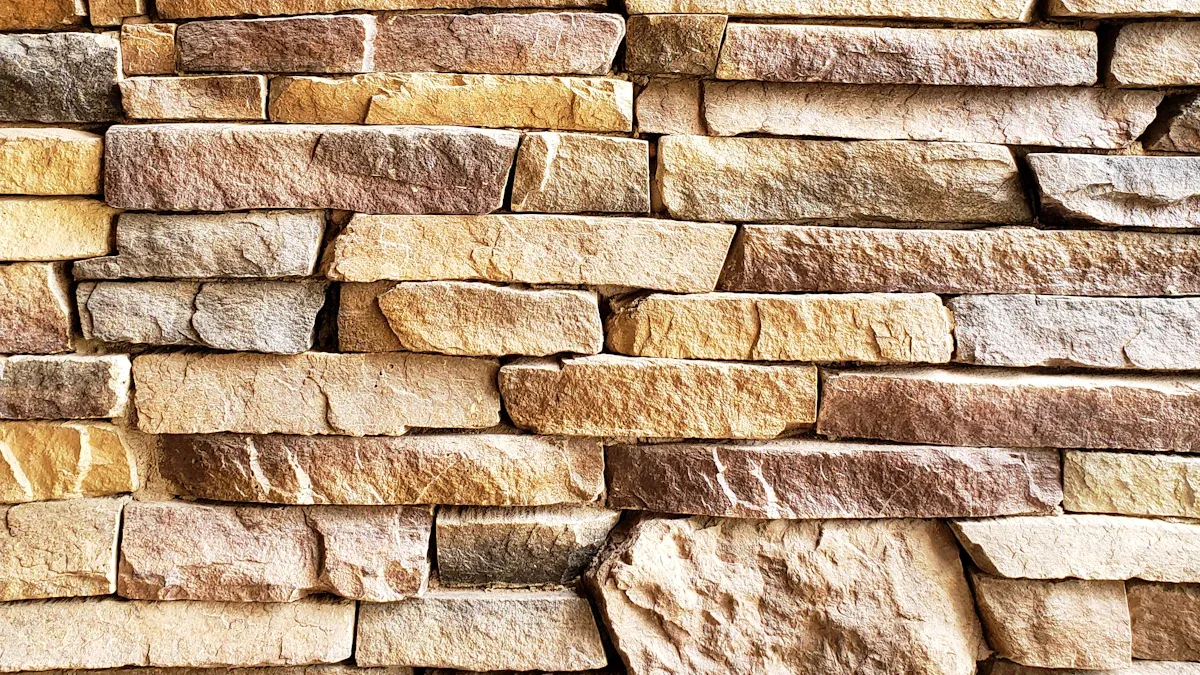
Stone veneer can give an exterior substantial visual depth, but its long-term condition depends heavily on joints, flashing, drainage, and the transitions around nearby materials. Good stone veneer maintenance therefore involves more than cleaning the visible stone.
Regular checks can reveal loose pieces, cracked mortar, staining, and water-related problems while repairs are still limited.
Inspect the Edges and Transitions First
Start where the veneer meets windows, doors, roofs, decks, trim, and other wall finishes. Changes in material create joints where water management details are especially important.
Look for openings, failed sealant, cracked mortar, or sections that appear to be separating. A small gap at a transition may matter more than a harmless surface mark in the middle of a stone.
Look Beneath Window Sills
Staining or deterioration directly below a window can suggest that water is repeatedly traveling over the veneer. Compare suspicious areas after rain to see whether they stay wet longer than surrounding sections.
Keep Drainage Paths Open
Many wall systems are designed to manage incidental moisture behind the exterior finish. Blocking drainage points with soil, mortar, landscaping, or later repairs may interfere with that process.
A broader exterior property guide can be useful when coordinating wall inspections with grading, drainage, and roof runoff. Those surrounding conditions often determine how much water reaches the veneer.
Keep vegetation trimmed enough that the lower wall remains visible.
Clean Stains Conservatively
Dirt and organic growth can often be addressed with gentle cleaning, but aggressive pressure can damage mortar joints or force water into openings. Begin with the least aggressive method suitable for the surface.
People browsing household improvement topics may encounter many cleaning suggestions, but veneer manufacturers and installers can have material-specific recommendations. Test products carefully before treating a large wall.
| What You See | Possible Issue | Useful Check |
|---|---|---|
| White deposits | Mineral residue | Look for moisture |
| Dark streaks | Runoff pattern | Check flashing |
| Loose stone | Bond failure | Limit disturbance |
| Cracked joints | Movement or weathering | Track progression |
Watch for Loose or Hollow Areas
A veneer piece that visibly shifts should not be ignored. Falling material can create a safety concern, particularly above walkways, entries, or patios.
Routine home maintenance inspiration can help keep exterior wall checks on a seasonal schedule. Avoid pulling on questionable stones simply to test them; disturbing a partially bonded piece can cause it to fall.
If pieces are detaching, the surrounding installation should also be examined.
Common Assumptions That Cause Trouble
A frequent mistake is assuming stone itself is waterproof. Manufactured and natural veneer systems still rely on properly built wall assemblies to control moisture.
Another error is sealing every visible opening without understanding its purpose. Some gaps or drainage details may be intentional. Cosmetic patching can also hide recurring moisture stains without correcting the source. If the same area keeps deteriorating after repair, focus on why water is reaching it rather than repeatedly covering the symptom.
Frequently Asked Questions
Should stone veneer be sealed?
Not every stone veneer requires a sealer. The correct approach depends on the stone, mortar, wall system, exposure, and manufacturer guidance. An unsuitable coating may change appearance or affect moisture behavior.
What causes white marks on exterior stone?
White deposits can be associated with minerals left behind as moisture moves through masonry materials and evaporates. Cleaning may improve appearance, but recurring deposits can justify checking nearby water sources.
Can one loose veneer stone be repaired?
A localized repair may be possible, but the cause matters. If several pieces are loose or the surrounding wall shows cracking, staining, or movement, a broader inspection is more useful than replacing one stone alone.
Preserve the Details Around the Stone
Treat stone veneer as part of a complete wall system. Keep runoff controlled, inspect transitions carefully, and respond to recurring stains, loose units, and failing joints before damage expands.
Small maintenance tasks are most effective when they address the source of deterioration. If veneer is bulging, repeatedly detaching, or showing widespread moisture damage, arrange a closer assessment rather than relying on another surface patch.